
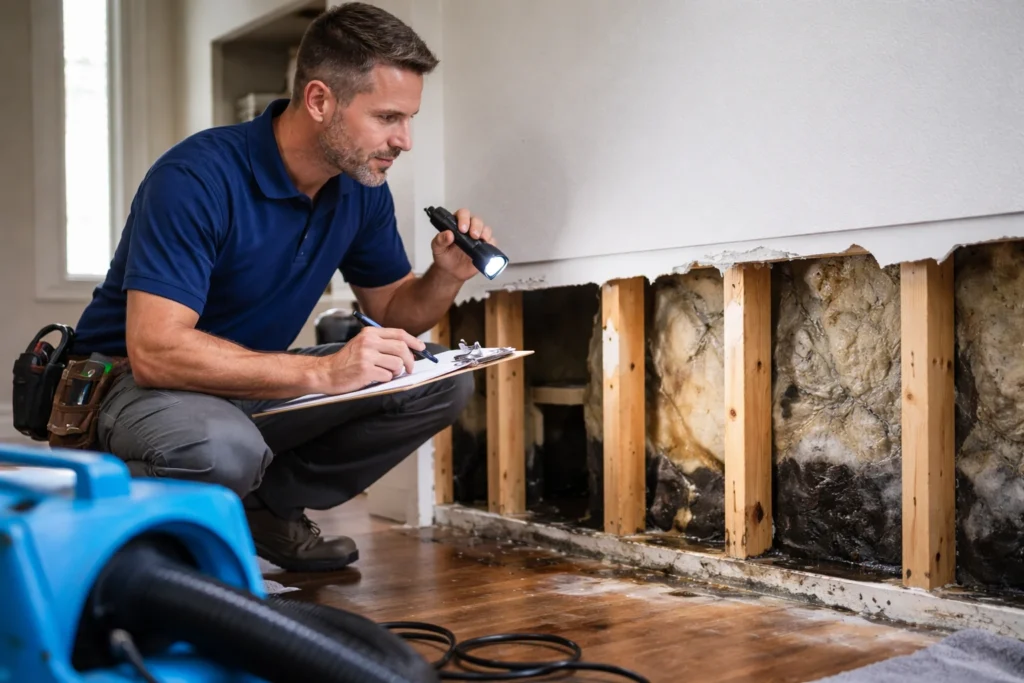
Water damage never starts as a big event. It starts quietly. A pipe fails behind a wall. A washing machine hose cracks. A slow drip turns into soaked flooring and warped cabinets. And suddenly, you’re not just dealing with repairs—you’re dealing with your insurance company. That’s when a water damage adjuster becomes the most important person in the room.
I’ve seen it too many times. Homeowners assume filing a claim is simple. Call the insurer. Wait for an adjuster. Accept the estimate. Move on. But water damage claims are rarely that clean. They’re complex, detail-heavy, and often underestimated. And once you accept a low settlement, there’s no rewind button.
Let’s break down what a water damage adjuster actually does, why water claims are routinely underpaid, and how the right representation can protect both your home and your wallet—especially here in Richardson.
What Is a Water Damage Adjuster?
A water damage adjuster is a licensed professional who specializes in evaluating, documenting, and negotiating water damage insurance claims on behalf of homeowners or business owners.
That last part matters.
On behalf of you.
There are different types of adjusters involved in insurance claims:
| Adjuster Type | Who They Work For | Primary Goal |
| Insurance company adjuster | The insurance carrier | Control claim costs |
| Independent adjuster | Hired by the insurer | Follow carrier guidelines |
| Public water damage adjuster | You, the policyholder | Maximize claim payout |
Only one of those is legally obligated to protect your financial interests. That’s the water damage adjuster you hire.
Why Water Damage Claims Are So Often Undervalued
Water doesn’t just damage what you can see.
It spreads. It migrates. And it hides.
Insurance estimates often focus on surface-level damage—flooring, drywall, baseboards. But water rarely stops there. It seeps into insulation. It travels behind cabinets. And it weakens subfloors. And if moisture isn’t addressed properly, it invites mold.
Here’s why claims fall short:
- Hidden damage is missed or ignored
- Drying and mitigation costs are under-scoped
- Materials are depreciated incorrectly
- Policy endorsements are overlooked
- Local code upgrades aren’t included
A water damage adjuster knows how to uncover and document these gaps before they become your problem.
Common Causes of Water Damage in Richardson Homes
North Texas homes face a unique mix of risks. Aging plumbing. Expansive soil. Sudden weather swings.
The most common water damage sources include:
- Burst or frozen pipes
- Slab leaks under foundations
- Failing water heaters
- Washing machine or dishwasher line failures
- Roof leaks after storms
- HVAC drain line backups
- Sewer and drain overflows
Many of these losses start small. And that’s exactly why insurers try to keep them classified as “minor.” A water damage adjuster pushes back—using documentation, not emotion.
What a Water Damage Adjuster Actually Does
This isn’t guesswork. It’s process.
A qualified water damage adjuster will:
- Perform a detailed inspection of visible and hidden damage
- Use moisture mapping to identify affected areas
- Review your insurance policy line by line
- Identify applicable coverages and endorsements
- Prepare a comprehensive damage estimate using industry pricing
- Submit documentation in insurer-approved formats
- Negotiate directly with the carrier
- Supplement or reopen claims when necessary
You’re not just getting an advocate. You’re getting expertise that insurers already rely on internally.
The Water Damage Claim Process (And Where It Breaks Down)
Here’s how a typical water damage claim unfolds:
- Water loss occurs
- Emergency mitigation begins
- Claim is reported
- Insurance adjuster inspects
- Initial estimate is issued
- Payment is offered
Sounds straightforward. It isn’t.
This is where problems appear:
- Damage is missed
- Scope is too narrow
- Repair costs are underestimated
- Mold risk is ignored
A water damage adjuster steps in at these pressure points—before bad decisions become permanent ones.
Water Damage Adjuster vs Insurance Adjuster
Let’s be clear.
This isn’t personal. It’s structural.
Insurance adjusters are trained to limit exposure. They follow internal guidelines. They don’t interpret policies creatively. And they don’t volunteer additional coverage.
A water damage adjuster does the opposite.
| Area | Insurance Adjuster | Water Damage Adjuster |
| Loyalty | Carrier | Policyholder |
| Scope | Minimal | Comprehensive |
| Documentation | Limited | Detailed |
| Negotiation | One-sided | Aggressive but professional |
| Outcome | Lower payout | Higher settlement |
Same claim. Very different results.
Types of Water Damage Claims a Public Adjuster Handles
Water damage isn’t one-size-fits-all. Neither are the claims.
A water damage adjuster regularly handles:
- Sudden pipe bursts
- Long-term hidden leaks
- Mold-related water losses
- Sewer and drain backups
- Appliance failures
- Roof-related water intrusion
- Commercial water damage claims
Flood damage is separate and requires flood insurance. Everything else? That’s where policy interpretation becomes critical.
Signs You Need a Water Damage Adjuster
Not every claim needs help.
But many do.
You should seriously consider hiring a water damage adjuster if:
- Your claim was denied or partially denied
- The settlement won’t cover repairs
- Mold was excluded without proper testing
- Drying and mitigation costs were reduced
- Communication has stalled
- You’re being pressured to accept payment
If something feels off, it probably is.
How a Water Damage Adjuster Maximizes Your Settlement
This isn’t about fighting.
It’s about precision.
A water damage adjuster increases claim value by:
- Capturing full demolition and rebuild scope
- Including code-required upgrades
- Pricing repairs at local market rates
- Correcting depreciation errors
- Documenting secondary damage
- Submitting professional supplements
Insurers respond to documentation. Not frustration. That’s the difference.
Fees and Costs: How Water Damage Adjusters Are Paid
This question always comes up. Fair enough.
Most water damage adjusters work on a contingency basis. That means:
- No upfront fees
- Payment only if you receive additional funds
- Fee is a percentage of the settlement increase
Typical ranges vary, but the key takeaway is simple:
If the adjuster doesn’t add value, they don’t get paid.
Choosing the Right Water Damage Adjuster in Richardson
Not all adjusters are equal.
Experience matters. Local knowledge matters more.
Look for:
- Proper Texas licensing
- Proven water damage experience
- Familiarity with Richardson construction styles
- Strong communication habits
- Transparent fee agreements
Avoid anyone who guarantees results or pressures you to sign quickly.
Residential vs Commercial Water Damage Claims
Commercial claims are a different beast.
They involve:
- Larger scopes
- Business interruption coverage
- Tenant and landlord responsibilities
- Longer negotiations
A water damage adjuster experienced in commercial losses can protect revenue—not just property.
Water Damage, Mold, and Health Risks
Moisture equals risk.
And mold claims are some of the most contested.
Insurers often limit mold coverage or deny it outright. A water damage adjuster knows how to:
- Link mold to a covered water event
- Document improper drying
- Challenge incorrect exclusions
This isn’t about fear. It’s about facts.
How Long Water Damage Claims Take
Simple claims may resolve in weeks.
Complex ones take longer.
Delays usually come from:
- Missing documentation
- Disputes over scope
- Incomplete estimates
A water damage adjuster keeps the process moving—and keeps pressure on the carrier.
What to Do Immediately After Water Damage
Your actions matter. A lot.
Do this:
- Stop the water source
- Document everything with photos and video
- Save damaged materials
- Keep receipts
- Call mitigation professionals
Avoid this:
- Throwing items away too early
- Making permanent repairs before inspection
- Accepting a settlement too quickly
Early mistakes cost money later.
Why Local Representation Matters
Richardson homes aren’t built like homes elsewhere.
Local pricing isn’t national pricing.
Local codes aren’t generic.
A water damage adjuster with local experience understands:
- Area contractor rates
- Regional building requirements
- Common insurer tactics in North Texas
That local insight directly impacts your settlement.
Final Thoughts: Protect the Claim, Protect the Home
Water damage is stressful.
Insurance claims don’t make it easier.
A water damage adjuster levels the field. They turn a confusing process into a structured one. They replace guesswork with documentation. And they help ensure your claim reflects the true cost of putting your home back together.
If water damage has already disrupted your life, don’t let the claim process do the same. The right help changes everything.
FAQs
A water damage adjuster evaluates, documents, and negotiates your insurance claim to ensure all damage is properly covered.
Yes, a water damage adjuster works for you, while an insurance adjuster represents the insurance company.
You should hire one if your claim is denied, underpaid, delayed, or if hidden water damage or mold is involved.
Yes, a water damage adjuster can reopen or supplement a claim if additional damage or costs were missed.
Most work on a contingency fee, meaning they are paid a percentage of the additional settlement they recover.
No, in many cases it speeds up the process by submitting complete documentation and negotiating directly with the insurer.
Yes, they document moisture issues and help connect mold damage to a covered water loss when possible.
Yes, you can bring in a water damage adjuster at any stage of the claim process.
Yes, public water damage adjusters must be licensed by the state of Texas.
Even smaller claims can benefit if the initial settlement doesn’t fully cover repair and restoration costs.