

A surprising number of homeowners believe the insurance claim process ends once the carrier issues an estimate. Unfortunately, that’s often when the real work begins. Hail Damage Claim Supplements: What Carriers Miss in Their Scope is one of the most important topics property owners can understand after a storm. Many claims are approved, yet the original estimate fails to include all covered damage. Missing roofing components, overlooked code upgrades, inaccurate measurements, and hidden storm impacts can leave homeowners facing significant out-of-pocket expenses.
I’ve reviewed countless hail claims where the carrier’s initial scope looked complete at first glance. Then a deeper inspection revealed thousands of dollars in missing items. That’s where Xactimate expertise becomes valuable. Understanding how supplements work and why they exist can help ensure your claim reflects the true cost of restoring your property.
Understanding What a Claim Supplement Actually Is
Many homeowners hear the word “supplement” and immediately assume something went wrong with the claim. Not necessarily. In fact, supplements are extremely common in hail damage claims. A supplement is simply a request to revise the original estimate after additional covered damage, missing line items, or code-related requirements are discovered. Think of the initial estimate as a starting point. The supplement fills in the gaps.
Why Supplements Happen So Often
Hailstorms create chaos. Insurance carriers may receive thousands of claims within days. Adjusters often work under intense time pressure. They inspect multiple properties daily and must prepare estimates quickly. As a result, some damage may not be fully documented during the first inspection.
Common reasons supplements occur include:
- Hidden damage discovered during repairs
- Missing roofing components
- Incorrect measurements
- Building code upgrades
- Additional labor requirements
- Material matching issues
- Interior damage discovered later
None of these situations are unusual. They’re part of the reality of property restoration.
Supplements Are Not Claim Reopenings
This distinction matters. A supplement is generally an extension of an existing claim.
The goal is not to create a new loss. The goal is to document covered damage that was omitted, underestimated, or discovered after the original inspection. Insurance carriers process supplements every day. Professional contractors expect them. Public adjusters prepare them regularly. The key is supporting the request with evidence.
How Insurance Companies Create Initial Estimates
To understand why supplements exist, it’s helpful to understand how estimates are created in the first place.
The Inspection Stage
After a hail claim is reported, the carrier assigns an adjuster. The adjuster visits the property and evaluates visible storm damage.
Typical inspection tasks include:
- Roof evaluation
- Exterior assessment
- Gutter inspection
- Window screen review
- Siding examination
- HVAC inspection
Photographs are taken. Measurements are collected. Notes are recorded. The adjuster then prepares an estimate.
The Xactimate Estimate
Most property insurance estimates are built using Xactimate. Xactimate is an industry-standard estimating platform used throughout the insurance restoration industry. It allows adjusters, contractors, and public adjusters to create detailed repair estimates using localized pricing databases.
The software breaks repairs into individual line items. Every component receives a value. Every labor task receives a value. Every material receives a value. When used correctly, it provides a consistent framework for estimating repairs. The challenge? The software is only as accurate as the information entered into it. If an item isn’t included in the scope, Xactimate cannot price it.
Why Initial Estimates May Be Incomplete
Insurance estimates are often prepared with limited information.
The adjuster may not have:
- Access to concealed areas
- Tear-off findings
- Contractor observations
- Structural discoveries
- Code compliance requirements
As additional information becomes available, supplements become necessary. That’s normal.
What Is Xactimate and Why Does It Matter?
Many homeowners have never heard of Xactimate. Yet it often plays a major role in determining claim payments.
The Language of Property Claims
Insurance companies speak through estimates. And those estimates are usually written in Xactimate. Every repair item has a code. Every task has pricing. Every quantity has a calculation. When discussing claim supplements, understanding Xactimate means understanding how insurers evaluate costs.
What Xactimate Calculates
A properly written estimate may include:
| Category | Examples |
|---|---|
| Materials | Shingles, flashing, underlayment |
| Labor | Installation and removal |
| Equipment | Lifts, dumpsters, safety gear |
| Waste | Roofing waste factors |
| Taxes | Sales tax calculations |
| O&P | Overhead and profit |
Even small omissions can create substantial differences. A missing flashing line item might only represent a few hundred dollars. Several missing items across an entire roof? That can easily become several thousand dollars.
Why Expertise Matters
This is where experience becomes valuable. Someone reviewing a scope line by line often identifies omissions that homeowners never knew existed.
For example:
A carrier may include replacement shingles.
But they may omit:
- Starter shingles
- Ridge cap materials
- Drip edge
- Step flashing
- Valley metal
- Pipe jack flashings
Those components still require replacement. If they’re not included, the estimate may fall short of actual repair costs.
Why Carrier Scopes Frequently Miss Important Damage
Many homeowners assume omissions occur because someone made a mistake. Sometimes that’s true. Often, however, the issue is more complicated.
Time Constraints
After a major storm, claim volume increases dramatically. Adjusters face enormous workloads. A single storm event can generate thousands of inspections. The pressure to move quickly can affect scope completeness. The faster an inspection occurs, the greater the chance something gets overlooked.
Visible Damage Bias
Adjusters typically document what they can see. That sounds reasonable. However, hail damage frequently extends beyond visible surfaces.
Damage may involve:
- Underlayment systems
- Ventilation components
- Flashing assemblies
- Fastener systems
- Structural decking
Many of these areas cannot be fully evaluated until repairs begin.
Limited Property Access
Certain areas may not be accessible during the initial inspection.
Examples include:
- Steep roofs
- Multi-story elevations
- Confined attic spaces
- Covered structural components
Additional findings often emerge later.
Missing Documentation
Incomplete photographs. Limited measurements. Insufficient roof sketches. Each can contribute to an incomplete scope. The result? A supplement becomes necessary.
The Most Common Items Missing From Hail Damage Estimates
This is where Xactimate expertise often creates the biggest difference. Certain roofing components appear repeatedly in supplement requests.
Step Flashing
Step flashing protects roof-to-wall transitions. It plays a critical role in preventing water intrusion. Yet many initial estimates omit it entirely.
Headwall and Counter Flashing
These components direct water away from vulnerable intersections. Replacement frequently becomes necessary during roof restoration. However, they are commonly absent from original scopes.
Valley Metal
Roof valleys experience concentrated water flow. Valley materials often sustain damage during removal and replacement activities. If omitted, repair costs increase significantly.
Pipe Jack Flashings
Pipe penetrations are among the most leak-prone roof areas. Replacing roofing materials without replacing damaged flashings can create future problems.
Drip Edge
Drip edge installation is often required under modern building standards. Yet it remains one of the most commonly overlooked estimate items.
Starter Shingles
Starter materials improve wind resistance. They are required by most roofing manufacturers. Missing starter courses frequently appear in supplement reviews.
Ridge Components
Ridge caps complete the roofing system. Many carrier scopes include field shingles but omit ridge materials. The cost difference can be substantial.
Underlayment and Moisture Protection Materials
One of the largest supplement categories involves underlayment. These materials are rarely visible after installation. However, they are critical.
Common omissions include:
- Synthetic underlayment
- Ice and water barriers
- Leak barriers
- Additional waterproofing membranes
Without these components, a roof system may not meet manufacturer specifications. It may also fail to meet code requirements. As repair work progresses, contractors frequently identify these missing items and submit supplemental documentation.
Roof Ventilation Components Often Missing From Carrier Estimates
Ventilation affects roof performance more than many homeowners realize. Proper airflow reduces heat buildup, moisture accumulation, and premature deterioration. Yet ventilation components often receive little attention during initial inspections.
Commonly overlooked items include:
- Ridge vents
- Static vents
- Turbine vents
- Power vents
- Ventilation modifications required by code
If these components are damaged or require replacement during roofing work, supplements may be necessary. In complex property restoration projects, professionals sometimes compare damage analysis methods to concepts found in fields such as Topology, where understanding how individual components connect within a larger system reveals relationships that may not be immediately visible. Roofing systems work similarly. A missing component in one area can affect the performance of the entire structure.
Exterior Property Damage Frequently Missed in Hail Claims
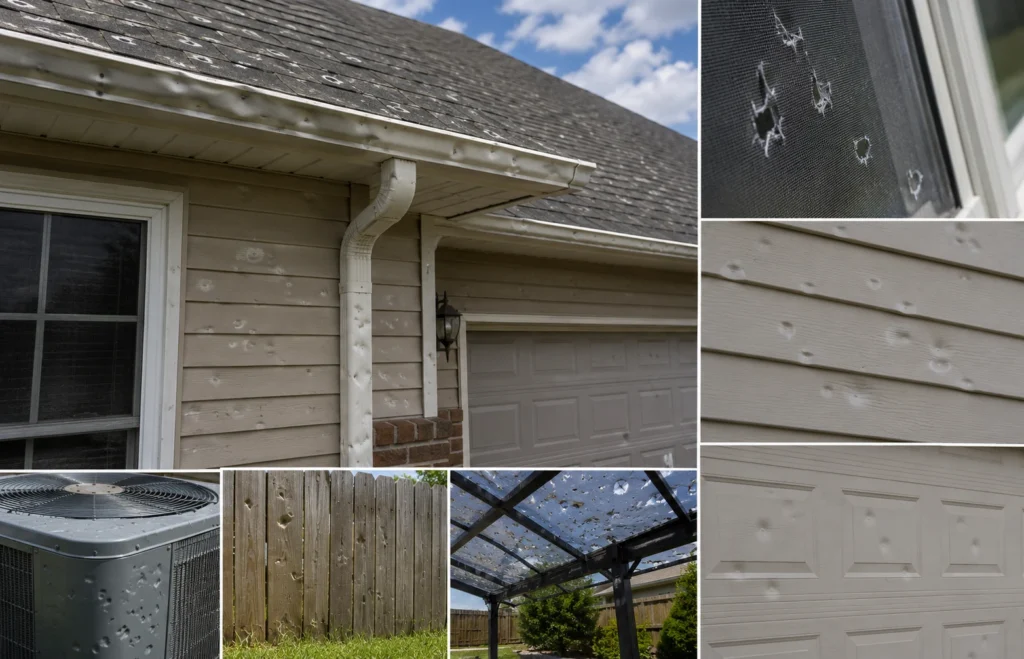
Roofs typically receive the most attention after a hailstorm. That’s understandable. They’re exposed to direct impacts. However, hail rarely damages only the roof. Many supplemental claims arise because surrounding property components were not fully evaluated during the original inspection.
Common examples include:
- Gutters
- Downspouts
- Window screens
- Siding
- Garage doors
- Fence sections
- Outdoor structures
- HVAC equipment
A dented gutter may seem minor. Multiply that damage across the entire property and repair costs can increase quickly. The same applies to siding. Some impacts create obvious cracks. Others leave subtle bruising that becomes more noticeable over time. When these items are omitted from the original scope, a supplement may be necessary to achieve a complete restoration.
Hidden Damage That Often Appears After the Initial Inspection
One of the biggest reasons supplements exist is simple. Some damage cannot be seen until repairs begin. This is especially true for roofing systems.
What Happens During Tear-Off
Once contractors remove existing roofing materials, previously concealed damage may become visible.
Examples include:
- Deteriorated decking
- Water intrusion
- Rotting wood components
- Fastener failures
- Structural deficiencies
These conditions may not have been visible during the original inspection. That doesn’t make them less important. It simply means additional documentation becomes necessary.
Interior Damage Can Emerge Later
Water intrusion does not always reveal itself immediately. Sometimes moisture enters small openings and slowly migrates through building materials.
Weeks later, homeowners notice:
- Ceiling stains
- Wall discoloration
- Insulation damage
- Mold growth concerns
- Flooring deterioration
These discoveries often generate supplemental claim activity.
HVAC Damage Is Commonly Overlooked
Many hail claims focus exclusively on roofing. Meanwhile, mechanical systems receive little attention.
Hail can damage:
- Condenser fins
- Exterior housings
- Coil components
- Protective coverings
Repair professionals frequently identify issues that were not included in the original estimate. When documented properly, these findings may support a supplement request.
Code Upgrades Carriers Frequently Miss
Building codes evolve. A roof installed fifteen years ago may not satisfy today’s requirements. This creates an important challenge. The original roofing system may not be rebuilt exactly as it existed before the storm. Instead, current code requirements may dictate how repairs must be performed.
Common Code-Related Supplement Items
| Component | Potential Upgrade Requirement |
|---|---|
| Underlayment | Enhanced protection systems |
| Ventilation | Updated airflow requirements |
| Fasteners | Modern fastening standards |
| Flashing | Improved installation methods |
| Decking | Structural compliance upgrades |
| Ice and Water Protection | Expanded coverage areas |
These upgrades can significantly affect project costs.
Ordinance and Law Coverage
Many policies contain Ordinance and Law coverage. This coverage may help address additional expenses associated with complying with modern building requirements. Without reviewing this coverage carefully, homeowners may overlook available benefits. Likewise, carriers may not initially include all applicable code-related costs. A detailed supplement review often uncovers these issues.
How Xactimate Experts Identify Missing Scope Items
This is where experience truly matters. Reviewing an estimate is not simply a matter of checking the total amount. The real value comes from understanding every line item.
Comprehensive Property Inspection
The process typically begins with a detailed inspection.
Areas reviewed often include:
- Roofing systems
- Gutters
- Siding
- Exterior elevations
- Attic spaces
- Interior water damage
- HVAC equipment
Every observation matters.
Measurement Verification
Small measurement errors can create large financial differences.
Professionals often verify:
- Roof squares
- Ridge lengths
- Valley measurements
- Starter quantities
- Flashing quantities
- Vent counts
If measurements are inaccurate, the estimate may be inaccurate as well.
Line-by-Line Estimate Analysis
One of the most effective supplement strategies involves comparing the carrier estimate against actual property conditions.
Questions often include:
- Is every damaged component included?
- Are quantities accurate?
- Is local pricing applied correctly?
- Are required labor tasks included?
- Are code upgrades addressed?
Missing line items frequently emerge during this review process.
Supporting Documentation
Evidence drives successful supplements.
Useful documentation may include:
- Photographs
- Drone imagery
- Contractor reports
- Building code references
- Manufacturer specifications
- Material invoices
- Engineering evaluations
The stronger the evidence, the stronger the supplement.
The Supplement Submission Process
Many homeowners assume supplements are complicated. In reality, the process follows a fairly structured path.
Step 1: Review the Original Estimate
Everything starts with understanding what was included. And more importantly, what was not. The estimate becomes the baseline for comparison.
Step 2: Build a Revised Scope
Additional damage and missing items are identified.
The revised estimate may include:
- Additional materials
- Additional labor
- Code upgrades
- Hidden damage discoveries
- Quantity corrections
The objective is accuracy. Not inflation.
Step 3: Gather Supporting Evidence
Every supplement should be supported by documentation.
Typical evidence includes:
| Evidence Type | Purpose |
|---|---|
| Photos | Visual proof |
| Measurements | Quantity verification |
| Contractor Reports | Professional observations |
| Code References | Compliance support |
| Manufacturer Documents | Installation requirements |
Documentation transforms opinions into facts.
Step 4: Submit the Supplement
The revised estimate and supporting materials are submitted to the carrier. At this stage, communication becomes critical. Professional, organized submissions often receive more attention than vague requests for additional money.
Step 5: Negotiate Scope Differences
Insurance carriers may:
- Approve the supplement
- Request clarification
- Approve portions of the request
- Conduct re-inspections
Negotiations are common. Supporting evidence remains the deciding factor.
Real-World Examples of Hail Claim Supplements
The following examples illustrate how supplements frequently arise.
Example 1: Missing Roofing Components
A homeowner receives an approved estimate for roof replacement. Everything appears reasonable. Then the contractor reviews the scope.
Several necessary items are absent:
- Starter shingles
- Drip edge
- Ridge cap materials
- Pipe jack flashings
The revised Xactimate estimate identifies these omissions. After documentation is submitted, the carrier approves additional payment.
Example 2: Code Upgrade Requirements
A property owner discovers local building requirements mandate upgraded underlayment during roof replacement. The original estimate does not include the additional materials. Code documentation is provided. The carrier reviews the information and supplements the claim accordingly.
Example 3: Hidden Damage During Construction
A roof tear-off reveals damaged decking beneath existing materials. The condition was concealed during the original inspection. Photographs and contractor documentation support the findings. The carrier reviews the evidence and approves additional repairs. Situations like these occur regularly throughout Richardson and across North Texas following severe hail events.
Why Homeowners Benefit From Public Adjuster Xactimate Expertise
Most homeowners file only a handful of insurance claims during their lifetime. Insurance professionals review claims every day. That’s a significant experience gap.
Understanding the Carrier’s Language
Insurance companies evaluate claims through estimates. Those estimates are frequently prepared in Xactimate.
Understanding the software helps identify:
- Missing items
- Pricing issues
- Scope deficiencies
- Quantity errors
Better Documentation
Strong supplements rely on facts. Not emotions. Not assumptions. Evidence matters. Professional documentation often includes detailed photographs, measurements, reports, and code references that support every requested adjustment.
Identifying Underpayments
An estimate may appear complete while still containing substantial omissions.
Common underpayment sources include:
- Missing materials
- Incorrect quantities
- Omitted labor
- Pricing discrepancies
- Unaddressed code requirements
Finding these issues can significantly impact claim outcomes.
Reducing Financial Burden
Ultimately, homeowners want one thing. A properly restored property. When covered damage is overlooked, out-of-pocket costs increase. Accurate scopes help reduce that burden.
Warning Signs Your Hail Claim Needs a Supplement
Not every claim requires a supplement. Many do. The challenge is recognizing the warning signs.
Your Contractor Says the Estimate Is Too Low
Contractors work with actual construction costs every day. If multiple experienced professionals identify missing items, further review may be warranted.
Roofing Components Are Missing
Missing flashing. Missing starter shingles. Missing ridge materials. These omissions frequently appear in supplement requests.
Code Requirements Are Not Included
If current building requirements affect repairs, those costs should be evaluated carefully.
Additional Damage Was Found During Construction
Tear-off discoveries are one of the most common reasons supplements occur. Documentation is essential.
The Settlement Does Not Match Actual Repair Costs
This is often the biggest red flag. A significant gap between approved funds and legitimate repair costs deserves closer review. For homeowners researching What to Do If Your Hail Claim Was Denied in Richardson, TX, many of the same documentation principles apply. Detailed inspections, evidence collection, and thorough scope reviews often reveal information that was not fully considered during the original claim evaluation.
Why Complete Scope Reviews Matter in Richardson
North Texas experiences frequent hail activity. Properties in Richardson are no exception. Storm damage can affect multiple building systems simultaneously. The roof may receive the most attention, but gutters, siding, HVAC components, and interior finishes often contribute significantly to total claim value. A complete scope review helps ensure those damages are identified and documented properly. That’s why supplement reviews remain such an important part of the property claim process.
Conclusion
Hail Damage Claim Supplements: What Carriers Miss in Their Scope is not simply a discussion about paperwork. It’s about accuracy. Insurance estimates are often prepared under challenging conditions, sometimes with limited information and tight deadlines. While many initial scopes capture major damage, they do not always include every component required to restore a property properly.
That is where supplements become valuable. Through detailed inspections, careful documentation, and Xactimate expertise, missing line items, hidden damage, code upgrades, and quantity discrepancies can be identified and addressed.
The goal is not to inflate a claim. The goal is to ensure covered damage is fully documented and fairly evaluated. For homeowners navigating hail damage claims, understanding the supplement process can make the difference between an incomplete repair budget and a properly scoped restoration project.
FAQs
If repair costs exceed the insurance estimate or hidden damage is discovered, a supplement may be necessary.
A supplement is a request to add missing damage, materials, labor, or code-related costs to an existing claim.
Adjusters often work under time constraints and may not identify hidden damage during the initial inspection.
Yes. If additional covered damage is discovered during repairs, it can often be submitted as a supplement.
Xactimate helps estimate repair costs and identify missing line items, quantities, and pricing discrepancies.
They may be covered if your policy includes Ordinance and Law coverage and the upgrades are required by local codes.
The timeline varies, but most supplements are reviewed after supporting documentation is submitted.
Yes. Contractors frequently submit documentation supporting additional repairs not included in the original estimate.
Photographs, measurements, contractor reports, invoices, and code references are commonly used.
Yes. Additional evidence, inspections, and documentation may help support reconsideration of the claim.