

Hailstorms are a fact of life in North Texas. For homeowners in Richardson, a severe storm can leave behind damaged roofing, dented gutters, compromised siding, broken window screens, and costly water intrusion. Once the storm passes, however, another challenge begins the insurance claim process. This is where many property owners encounter a critical question: Public Adjuster vs. Insurance Adjuster for Hail Claims in Richardson, TX—which one is better for my situation?
The answer depends on several factors, including the complexity of the claim, the extent of the damage, and whether disputes arise during the adjustment process. Many homeowners assume every adjuster involved in a claim is working on their behalf. Unfortunately, that’s not always the case. Understanding the differences between public adjusters and insurance adjusters can help Richardson property owners make informed decisions, protect their interests, and potentially avoid costly claim mistakes.
Understanding Hail Damage Claims in Richardson, TX
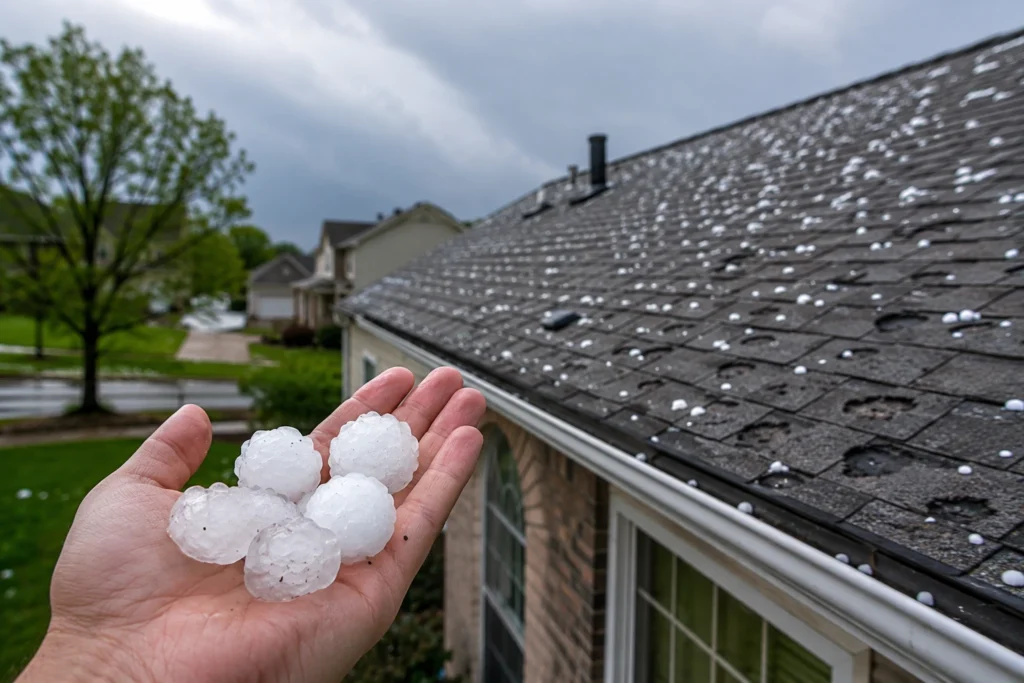
Richardson sits in an area of Texas that regularly experiences severe thunderstorms capable of producing damaging hail. Some storms pass with minor impacts. Others leave neighborhoods facing extensive roof and exterior damage. The problem is that hail damage isn’t always obvious.
A roof can appear functional from the ground while sustaining significant impacts that shorten its lifespan. Gutters may show dents while shingles suffer granule loss that accelerates deterioration. This creates challenges during the claims process.
Why Richardson Properties Are Vulnerable
North Texas weather patterns create ideal conditions for hail development.
Property owners frequently encounter:
- Asphalt shingle damage
- Metal roof denting
- Broken skylights
- Damaged flashing
- Cracked siding
- Gutter impacts
- Fence damage
- Window screen punctures
The larger the storm, the greater the chance that disagreements arise regarding the scope of repairs.
Why Hail Claims Become Disputed
Not every dispute stems from bad intentions. Sometimes the issue is simply incomplete information.
For example:
| Common Dispute | Potential Cause |
|---|---|
| Roof replacement denied | Limited damage documented |
| Partial repairs approved | Scope disagreement |
| Interior damage excluded | Causation concerns |
| Underpayment | Missing repair items |
| Supplemental requests denied | Insufficient documentation |
When disagreements occur, the role of the adjuster becomes increasingly important. That brings us to the heart of the discussion regarding Public Adjuster vs. Insurance Adjuster for Hail Claims in Richardson, TX.
What Is an Insurance Adjuster?
An insurance adjuster is responsible for evaluating a claim on behalf of an insurance company. Once a homeowner reports storm damage, the carrier assigns an adjuster to investigate the loss.
The adjuster’s responsibilities often include:
- Inspecting the property
- Reviewing reported damage
- Taking photographs
- Preparing estimates
- Evaluating policy coverage
- Making recommendations regarding payment
Insurance adjusters serve an important function within the claims process. Without them, claims could not be investigated efficiently. However, understanding who they represent is essential.
Who Does an Insurance Adjuster Work For?
This is one of the most misunderstood aspects of property insurance. Insurance adjusters represent the insurance company. Their responsibility is to evaluate claims according to policy language, company procedures, and applicable regulations. That does not mean they are dishonest. It simply means their role differs from someone hired directly by the policyholder.
Types of Insurance Adjusters
Several different adjuster categories may appear during a Richardson hail claim.
Staff Adjusters
Staff adjusters are direct employees of the insurance carrier. They handle claims exclusively for that company.
Independent Adjusters
Independent adjusters work under contract and may handle claims for multiple carriers. After major hailstorms, insurers often rely heavily on independent adjusters to manage increased claim volume.
Catastrophe Adjusters
Following severe weather events, catastrophe adjusters may be deployed to affected areas. They often face enormous workloads. In large hail events, it is not uncommon for catastrophe adjusters to inspect numerous properties every day.
Advantages of Insurance Adjusters
Insurance adjusters provide several benefits.
These include:
- No direct cost to homeowners
- Immediate claim handling
- Access to carrier claim systems
- Authority to evaluate losses
- Experience processing storm claims
For straightforward claims, this process may work efficiently. Many homeowners experience smooth settlements without significant disputes.
Potential Limitations
No system is perfect.
After a major Richardson hailstorm, adjusters may face:
- Heavy claim volume
- Time constraints
- Large inspection territories
- Scheduling challenges
- Incomplete information
The result can occasionally be missed damage or disagreements regarding repair scope. This is one reason some property owners explore public representation.
What Is a Public Adjuster?
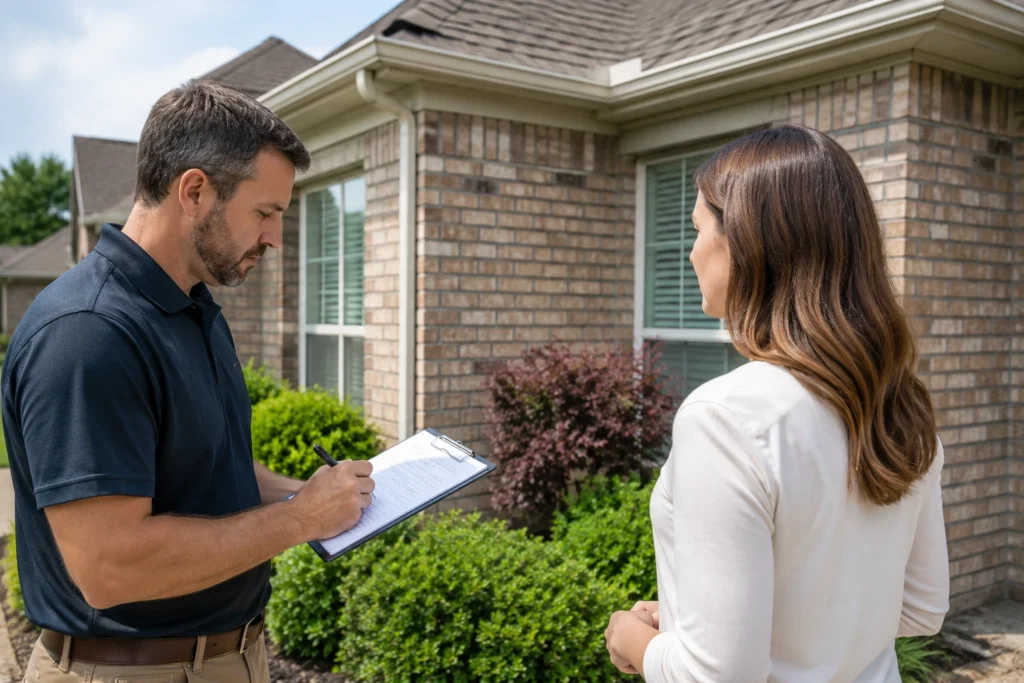
A public adjuster is a licensed professional hired by the policyholder. Unlike insurance company adjusters, public adjusters work exclusively for the insured property owner. Their objective is simple. Represent the policyholder’s interests throughout the claim process.
What Public Adjusters Do
Public adjusters often assist with:
- Property inspections
- Damage documentation
- Policy review
- Claim preparation
- Scope development
- Evidence collection
- Settlement negotiations
Instead of evaluating the claim for the insurance company, they evaluate it for the homeowner. This distinction is central to understanding Public Adjuster vs. Insurance Adjuster for Hail Claims in Richardson, TX.
Who Does a Public Adjuster Represent?
A public adjuster represents the policyholder. Their focus is on identifying covered damage, documenting losses thoroughly, and presenting evidence supporting the claim. They become the homeowner’s advocate during negotiations. For some property owners, particularly those facing large losses, this additional layer of representation can be valuable.
How Public Adjusters Are Paid
Public adjusters typically work on a contingency basis. This means compensation is generally tied to the claim settlement according to the terms of the agreement. Homeowners should carefully review fee structures before signing any representation contract. Transparency matters. So does understanding exactly what services will be provided.
Public Adjuster vs. Insurance Adjuster: A Side-by-Side Comparison
When evaluating Public Adjuster vs. Insurance Adjuster for Hail Claims in Richardson, TX, homeowners benefit from looking at the roles side by side.
| Category | Public Adjuster | Insurance Adjuster |
|---|---|---|
| Represents | Policyholder | Insurance Company |
| Hired By | Homeowner | Carrier |
| Primary Goal | Advocate for insured | Evaluate for insurer |
| Negotiates Settlement | Yes | Yes |
| Conducts Inspection | Yes | Yes |
| Reviews Policy | Yes | Yes |
| Paid By | Policyholder | Insurance Company |
| Handles Documentation | Extensive | Varies by claim |
Neither role is inherently good or bad. They simply serve different interests. Understanding those interests allows homeowners to make informed decisions.
Key Differences That Matter During Hail Claims
The distinction becomes more significant when complex damage enters the picture.
Damage Inspection Philosophy
Insurance adjusters often work under tight timelines. Public adjusters frequently spend additional time documenting every area of potential loss.
This may include:
- Roofing systems
- Ventilation components
- Flashing
- Gutters
- Siding
- Windows
- Fencing
- Interior water damage
The more extensive the loss, the more valuable detailed documentation becomes.
Scope Development
A scope of loss determines what repairs are included in the claim. Even small differences in scope can create substantial financial differences.
For example:
| Item | Initial Estimate | Expanded Scope |
|---|---|---|
| Roof shingles | Partial repair | Full replacement |
| Gutters | Spot repair | Full replacement |
| Siding | Single elevation | Multiple elevations |
| Interior repairs | Paint only | Drywall and insulation |
These differences often drive claim disputes.
Hidden Damage Concerns
Many hail claims involve damage that becomes visible only after repairs begin.
Roof tear-offs frequently reveal:
- Decking deterioration
- Water intrusion
- Fastener failures
- Structural deficiencies
This is where the topic “Hail Damage Claim Supplements: What Carriers Miss” becomes especially relevant. Supplements exist because some damage cannot be identified until repairs are underway. Proper documentation of supplemental findings often determines whether additional costs are covered.
Why Claim Documentation Matters So Much
Insurance claims are evidence-driven. The strongest claim is not necessarily the loudest claim. It is the best-documented claim.
Successful documentation often includes:
- Date-stamped photographs
- Drone imagery
- Contractor reports
- Repair estimates
- Weather data
- Maintenance records
- Inspection reports
The more organized the evidence, the easier it becomes to support repair requests. Interestingly, documentation principles resemble concepts found in complex fields such as morphogenesis, where small changes within a system can produce significant downstream effects. In property claims, seemingly minor pieces of evidence can dramatically influence the final outcome.
Real-World Richardson Hail Claim Scenarios
Not every claim requires the same level of involvement. Let’s examine several common situations.
Scenario 1: Minor Damage With No Dispute
A homeowner discovers minor gutter dents and limited roof damage. The insurance company inspects the property, agrees with contractor findings, and issues payment quickly. In this situation, the traditional claim process may work effectively. Additional representation may not be necessary.
Scenario 2: Major Roof Replacement
A hailstorm causes widespread damage to roofing materials. Multiple contractors recommend replacement. The insurer initially approves only partial repairs. Now the claim becomes more complex. Additional inspections, documentation, and negotiation may be necessary. This is where many homeowners begin evaluating the benefits of professional representation.
Scenario 3: Underpaid Claim
The claim is approved. However, the settlement appears insufficient to complete repairs. This is surprisingly common.
Reasons may include:
- Missing line items
- Labor discrepancies
- Material pricing differences
- Overlooked damage
Resolving these issues often requires detailed evidence and effective communication.
When an Insurance Adjuster May Be Sufficient
One of the biggest misconceptions surrounding Public Adjuster vs. Insurance Adjuster for Hail Claims in Richardson, TX is that every claim requires outside representation. That simply is not true. Many claims are resolved successfully through the standard insurance process. The key is understanding when that process is likely to work smoothly.
Small and Straightforward Claims
If hail damage is limited and easily documented, the insurance company’s adjustment process may be enough.
Examples include:
- Minor gutter dents
- Isolated screen damage
- Small roof repairs
- Limited exterior impacts
In these situations, both parties often agree on the scope of repairs. Negotiations may be minimal. The claim moves forward quickly.
Clear Coverage Situations
Some claims leave little room for disagreement. The damage is obvious. Coverage applies. Repair costs are relatively straightforward. When those factors align, homeowners may not encounter significant obstacles.
Claims With Strong Contractor Documentation
Sometimes a reputable contractor provides thorough photographs, measurements, and repair recommendations that align with the insurer’s findings. When documentation is consistent, disputes become less likely. That can save time and reduce stress throughout the process.
When Hiring a Public Adjuster May Make Sense
The discussion surrounding Public Adjuster vs. Insurance Adjuster for Hail Claims in Richardson, TX becomes more important when claims grow more complicated. Complexity often changes everything.
Large Losses
The greater the financial exposure, the more critical accurate documentation becomes.
A major hail event may affect:
- Roofing systems
- Gutters
- Siding
- Windows
- Outdoor structures
- Interior finishes
When multiple building components are involved, oversight becomes easier. Thorough evaluations become increasingly valuable.
Denied Claims
A denial is not always the final word. Insurance companies make decisions based on available information. If additional evidence emerges, the claim may warrant reconsideration.
Examples include:
| Additional Evidence | Potential Impact |
|---|---|
| New photographs | Clarifies damage |
| Engineering reports | Supports causation |
| Contractor findings | Expands scope |
| Weather data | Confirms storm severity |
| Supplement requests | Documents hidden damage |
When a claim has been denied, professional representation may help organize and present additional evidence more effectively.
Underpaid Claims
Many homeowners focus exclusively on denials. Yet underpayments often create greater financial hardship. Imagine receiving payment that covers only a portion of the actual repair costs. The claim technically gets approved. The problem remains unresolved.
Common causes include:
- Missing line items
- Incorrect measurements
- Pricing discrepancies
- Incomplete inspections
- Overlooked code requirements
Resolving these issues often requires detailed review and negotiation.
Homeowners With Limited Time
Managing a claim can feel like a second job. There are inspections. Phone calls. Emails. Documentation requests. Contractor meetings. Settlement reviews. Some homeowners simply prefer professional assistance handling these responsibilities. That preference is understandable.
Common Myths About Public Adjusters and Insurance Adjusters
The claims industry is filled with misconceptions. Let’s clear up a few of the most common ones.
Myth #1: The Insurance Adjuster Works for the Homeowner
This is perhaps the most widespread misunderstanding. Insurance adjusters perform important work. However, they represent the insurance company. Their role is to evaluate claims according to company procedures and policy language. That differs from a public adjuster’s role.
Myth #2: Public Adjusters Guarantee Higher Settlements
No ethical professional can guarantee a claim outcome.
Every claim depends on:
- Policy language
- Available evidence
- Inspection findings
- Damage conditions
- Coverage determinations
Professional representation may strengthen claim presentation, but guarantees should raise concerns.
Myth #3: Hiring a Public Adjuster Automatically Creates Conflict
Many claims involving public adjusters are resolved professionally. The process is often collaborative. Both sides review documentation, discuss findings, and work toward resolution. Conflict is not inevitable.
Myth #4: Public Adjusters Are Only Useful After Denials
Denied claims receive significant attention. However, many homeowners seek assistance before disputes arise. Early involvement can sometimes improve documentation and claim organization from the beginning.
Questions Richardson Homeowners Should Ask Before Choosing Representation
Whether working directly with an insurance company or considering a public adjuster, asking the right questions is essential.
Questions to Ask an Insurance Adjuster
Consider asking:
- What areas of the property will be inspected?
- How is roof damage evaluated?
- Will photographs be included in the claim file?
- How are repair estimates prepared?
- What happens if additional damage is discovered later?
Clear communication often prevents misunderstandings.
Questions to Ask a Public Adjuster
Homeowners should also conduct due diligence when evaluating representation.
Important questions include:
- Are you licensed in Texas?
- How many hail claims have you handled?
- What services are included?
- How are fees calculated?
- How often will updates be provided?
- Have you worked on claims in Richardson before?
The answers can reveal a great deal about experience and professionalism.
Why Local Knowledge Matters in Richardson Hail Claims
Not all hail claims are created equal. Local knowledge often influences the quality of inspections and documentation.
Understanding Richardson Construction Trends
Different neighborhoods may feature:
- Asphalt shingles
- Architectural shingles
- Metal roofing systems
- Brick veneer exteriors
- Fiber cement siding
- Older roofing installations
Understanding local building practices helps identify vulnerabilities and damage patterns.
Familiarity With North Texas Weather
North Texas storms can vary significantly. Some produce large hail. Others combine hail with high winds and driving rain. Evaluating damage properly often requires understanding how these weather events affect different building materials.
Knowledge of Local Repair Costs
Repair costs change over time. Material shortages. Labor demand. Supply chain disruptions. Building code requirements. All of these factors can influence repair pricing. Accurate estimates depend on current market conditions rather than outdated assumptions.
How Richardson Homeowners Can Protect Their Hail Claim
Regardless of which side of the Public Adjuster vs. Insurance Adjuster for Hail Claims in Richardson, TX debate a homeowner falls on, several best practices remain universal.
Document Damage Immediately
Time matters.
Photograph damage as soon as conditions are safe.
Capture:
- Roof impacts
- Gutter dents
- Siding damage
- Window screens
- Outdoor structures
- Interior leaks
More documentation is generally better than less.
Create Organized Records
A strong claim file often includes:
| Document Type | Purpose |
|---|---|
| Photographs | Visual evidence |
| Inspection reports | Professional findings |
| Weather records | Storm verification |
| Repair estimates | Cost support |
| Emails | Communication history |
| Claim letters | Coverage records |
Organization can dramatically improve claim management.
Save Every Communication
Keep records of:
- Phone calls
- Emails
- Text messages
- Inspection appointments
- Claim decisions
Small details become important surprisingly often.
Obtain Independent Inspections
Contractors, engineers, and other qualified professionals may identify damage that was not immediately apparent. Independent evaluations provide additional information for claim review.
Review Settlement Offers Carefully
Never assume the first estimate tells the complete story.
Review:
- Measurements
- Material quantities
- Labor costs
- Repair methods
- Building code considerations
Questions are appropriate.
In fact, asking questions is often one of the smartest things a homeowner can do.
Evaluating Costs and Benefits
Every homeowner faces a different situation. Some claims are simple. Others become highly complex. When evaluating Public Adjuster vs. Insurance Adjuster for Hail Claims in Richardson, TX, consider several factors.
Claim Complexity
Ask yourself:
- How extensive is the damage?
- Are multiple building components affected?
- Have disagreements already emerged?
- Are repair estimates inconsistent?
The more complicated the claim, the more important documentation becomes.
Financial Exposure
A small repair and a full roof replacement represent very different levels of financial risk. As potential repair costs increase, many homeowners become more cautious about claim management.
Personal Availability
Some property owners enjoy handling details themselves. Others have demanding careers, family responsibilities, or limited time. Understanding your own availability is an important part of the decision-making process.
Comfort With Negotiation
Insurance claims often involve discussions regarding:
- Scope
- Pricing
- Documentation
- Repair methodology
Some homeowners feel comfortable navigating these conversations. Others prefer professional assistance. Neither approach is inherently right or wrong. The goal is selecting the option that aligns with your circumstances.
Making the Right Choice After a Richardson Hailstorm
After a major storm, emotions run high. Roofing companies appear overnight. Neighbors exchange advice. Insurance claim decisions arrive quickly. It can feel overwhelming.
The best approach is usually the most methodical one. Gather information. Document thoroughly. Review estimates carefully. Ask questions. Seek clarification whenever necessary. Most importantly, understand the roles of everyone involved. Insurance adjusters and public adjusters serve different functions within the claims process. Knowing those differences allows homeowners to make informed decisions rather than reacting under pressure. This understanding sits at the core of Public Adjuster vs. Insurance Adjuster for Hail Claims in Richardson, TX and can significantly influence the overall claim experience.
Conclusion
When evaluating Public Adjuster vs. Insurance Adjuster for Hail Claims in Richardson, TX, homeowners should focus on facts rather than assumptions. Insurance adjusters represent the insurance company and play a critical role in claim evaluation. Public adjusters represent policyholders and assist with documentation, analysis, and negotiations. Neither role automatically guarantees a particular outcome.
What matters most is understanding who each professional represents, how they approach the claim, and whether the complexity of the loss warrants additional assistance. For Richardson homeowners facing hail damage, knowledge remains one of the most valuable tools available. The better informed you are, the better prepared you will be to protect your property, navigate the claims process, and pursue a fair resolution after a storm.
FAQs
A public adjuster represents the policyholder, while an insurance adjuster represents the insurance company during the claim process.
No. Many straightforward claims are resolved successfully without hiring a public adjuster.
Yes. A public adjuster can review the denial, gather additional evidence, and assist with claim reconsideration.
The insurance company pays its adjusters as part of the claim handling process.
Most public adjusters work on a contingency fee basis, meaning their fee is typically a percentage of the claim settlement.
Yes. Homeowners can hire a public adjuster before or after a claim has been filed.
Document the damage with photographs, prevent further property damage if possible, and notify your insurance company.
Yes. Some damage may not be visible until repairs begin or roofing materials are removed.
Review the estimate carefully and consider obtaining independent inspections or repair estimates for comparison.
Yes. Public adjusters must be licensed and regulated under Texas insurance laws.