
Texas homeowners know that hailstorms can arrive with little warning and leave behind significant property damage. Unfortunately, roof damage is often the most expensive consequence. That’s why understanding the roof hail damage insurance claim Texas homeowners may need to file is essential for protecting both your property and your finances.
A damaged roof does not always look damaged from the ground. In many cases, hail impacts create subtle issues that worsen over time. Water intrusion, deteriorating roofing materials, and hidden structural problems can develop long after the storm has passed. Acting quickly, documenting thoroughly, and understanding the claims process can make a substantial difference in the outcome of your claim. For homeowners in Richardson, severe hailstorms are not uncommon. Knowing what to look for and how to respond can help prevent costly mistakes.
Understanding Hail Damage and Why It Matters
Hail can vary dramatically in size, density, and velocity. Even relatively small hailstones can damage roofing materials when driven by strong winds. The challenge is that not all hail damage is immediately visible. Some impacts create obvious fractures or dents. Others weaken roofing materials in ways that only become apparent months later.
Common consequences of untreated hail damage include:
- Roof leaks
- Mold growth
- Insulation damage
- Structural deterioration
- Reduced property value
- Increased repair costs
Many homeowners assume their roof survived a storm because they do not see missing shingles or obvious holes. Unfortunately, hail damage often starts beneath the surface. That is why prompt inspections are so important.
How to Identify Hail Damage by Roof Type
Different roofing materials respond differently to hail impacts. Understanding those differences helps homeowners recognize potential problems before they become major claims.
Asphalt Shingle Roofs
Asphalt shingles are among the most common roofing materials in Texas. They are also particularly vulnerable to hail impacts.
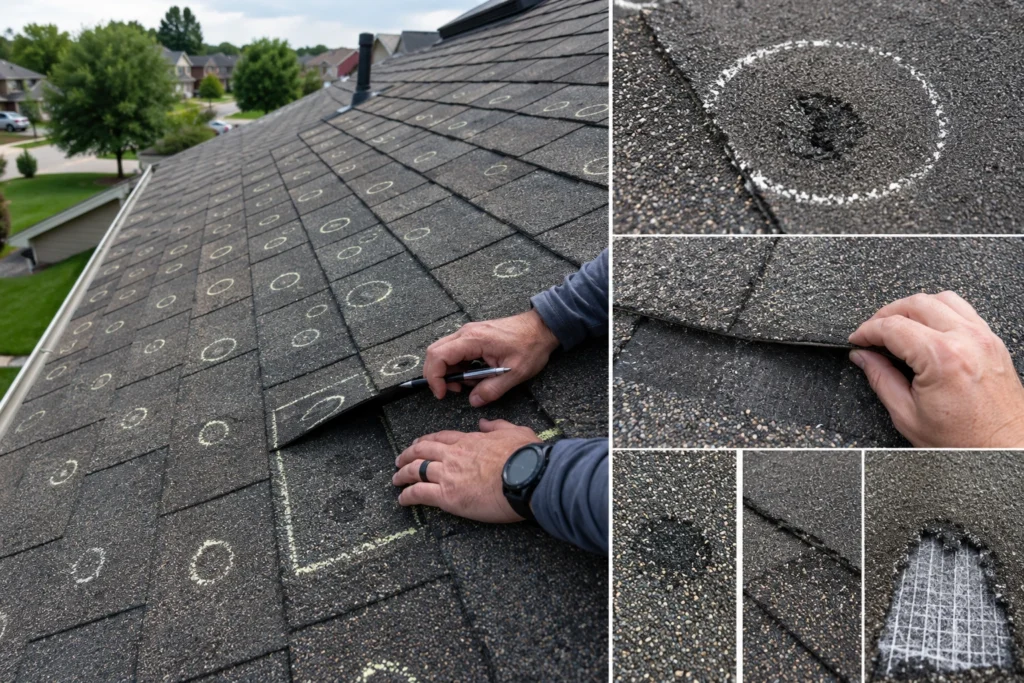
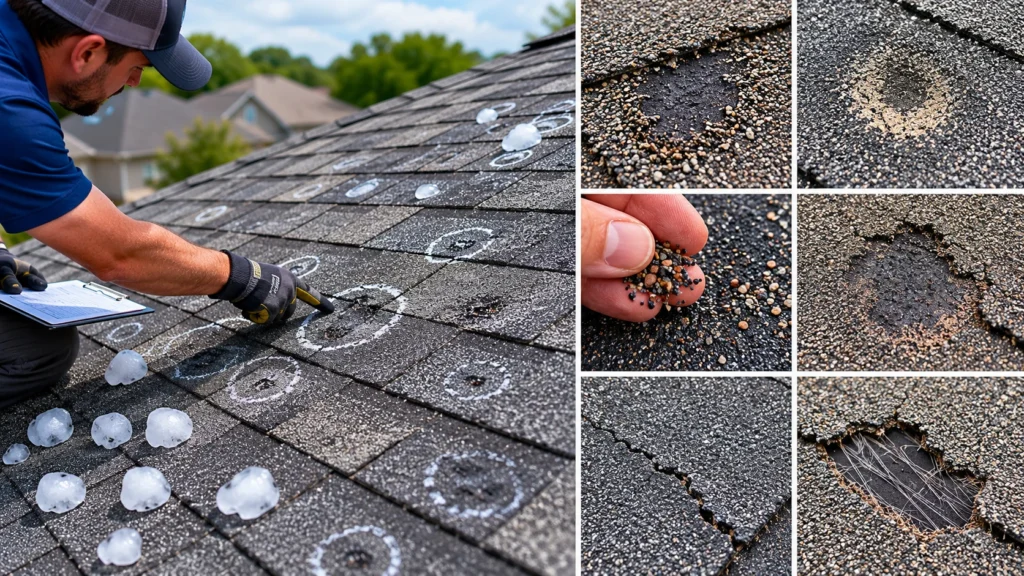
Signs of hail damage on asphalt shingles include:
- Circular impact marks
- Granule loss
- Soft bruising areas
- Cracked shingles
- Exposed fiberglass matting
Granules serve an important purpose. They protect shingles from ultraviolet exposure and weathering. When hail knocks these granules loose, the shingles begin deteriorating faster. Professional inspectors often perform “test squares” to identify impact density across different roof sections. Insurance carriers frequently rely on these findings when evaluating a hail damage on roof insurance claim.
Metal Roofs
Many property owners assume metal roofs are immune to hail. They are not.
Metal roofing systems can experience:
- Dents
- Surface deformation
- Coating damage
- Fastener issues
- Seam separation
One of the most common disputes involving metal roofing is the distinction between cosmetic and functional damage. Insurance carriers may argue that dents are cosmetic only. Property owners often argue that the damage affects appearance, resale value, and long-term performance. These disagreements can significantly impact settlement amounts.
Tile Roofs
Tile roofs are attractive and durable, but they present unique challenges after hailstorms.
Common forms of tile damage include:
- Surface fractures
- Corner breaks
- Impact craters
- Hidden cracks
Unlike shingles, tile damage can be difficult to identify from ground level. Small fractures may not leak immediately but can worsen over time. This is one reason many tile roof claims require detailed inspections by experienced professionals.
Other Components Frequently Damaged by Hail
A roof system involves much more than roofing materials.
Hail commonly damages:
- Roof vents
- Flashing
- Gutters
- Downspouts
- Skylights
- Chimney caps
- Solar panels
- HVAC equipment
These items often become important during a hail roof damage insurance claim because they contribute to the overall repair scope.
Immediate Steps to Take After a Hailstorm
The hours following a hailstorm can significantly influence claim outcomes. The goal is simple. Protect the property. Preserve evidence. Avoid making mistakes.
Prioritize Safety
Never climb onto a roof immediately after a storm. Wet surfaces, structural damage, and electrical hazards can create dangerous conditions.
Instead:
- Walk around the property from ground level
- Look for visible signs of damage
- Photograph conditions safely
- Keep family members away from damaged areas
Safety always comes first.
Perform a Preliminary Inspection
While remaining on the ground, look for:
- Dented gutters
- Damaged siding
- Broken windows
- Roof debris
- Fallen tree limbs
- Damaged outdoor equipment
These indicators often suggest roof impacts as well.
Prevent Additional Damage
Insurance policies generally require homeowners to take reasonable steps to prevent further damage.
Examples include:
- Installing emergency tarps
- Covering broken windows
- Removing water from interior spaces
- Protecting personal property
Save all receipts associated with emergency mitigation efforts. They may become reimbursable claim expenses.
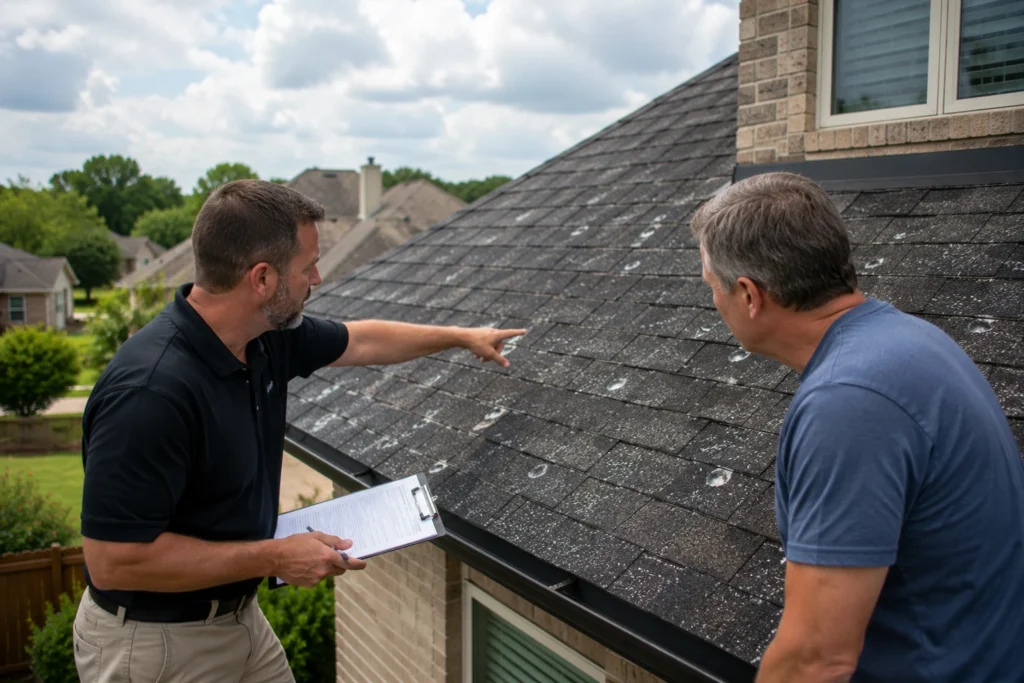
Schedule a Professional Roof Inspection
This is one of the most important steps in the process. Professional inspectors know how to identify damage that homeowners often overlook.
A qualified inspection provides:
- Detailed photographs
- Impact assessments
- Repair recommendations
- Damage documentation
These materials become valuable evidence later.
Review Your Insurance Policy
Before filing a claim, familiarize yourself with:
| Coverage Element | Why It Matters |
|---|---|
| Deductible | Determines out-of-pocket cost |
| Coverage limits | Establishes maximum benefits |
| Exclusions | Identifies uncovered damage |
| Filing deadlines | Prevents missed claim opportunities |
| Ordinance and law coverage | May cover code upgrades |
Understanding your policy puts you in a stronger position throughout the claim process.
How to Document Damage for Your Claim
Documentation often determines whether a claim succeeds or struggles. Insurance companies make decisions based on evidence. The stronger the evidence, the stronger the claim. Many homeowners search online for guidance on How to Document Hail Damage for an Insurance Claim, but few realize just how extensive the documentation process should be.
Create a Detailed Storm Timeline
Start with the basics.
Record:
- Date of loss
- Approximate storm time
- Hail size estimates
- Wind conditions
- Weather warnings
- Neighbor observations
Weather reports can also support claim documentation.
Photograph Everything
Take far more photographs than you think you need.
Capture:
Exterior Damage
- Roof impacts
- Gutters
- Downspouts
- Siding
- Windows
- Doors
- Fences
- HVAC units
Interior Damage
- Ceiling stains
- Water intrusion
- Attic moisture
- Damaged insulation
- Flooring damage
Photographs should be clear, well-lit, and dated whenever possible.
Use Video Documentation
Video provides valuable context.
A narrated walkthrough allows you to explain:
- Damage locations
- Storm effects
- Water intrusion
- Safety concerns
Insurance representatives often find video documentation particularly persuasive.
Obtain Professional Reports
Third-party inspections add credibility.
Potential documentation sources include:
- Roofing contractors
- Engineers
- Public adjusters
- Building consultants
Independent evaluations can strengthen a claim significantly.
Maintain a Communication Log
Create a dedicated claim folder.
Track:
- Phone calls
- Emails
- Inspection dates
- Adjuster visits
- Claim numbers
- Submission deadlines
Organization often separates successful claims from frustrating experiences.
Interestingly, documentation principles are similar to concepts found in complex scientific fields such as Topological Data Analysis, where detailed information is organized and analyzed to identify patterns that may not be immediately obvious. Insurance claims similarly depend on connecting multiple pieces of evidence into a complete picture.
Filing a Roof Hail Damage Insurance Claim
Once documentation is assembled, the formal claims process begins. Most homeowners expect the process to be straightforward. Sometimes it is. Often it is not.
Step One: Report the Loss
Contact your insurance carrier promptly.
Provide:
- Date of loss
- Property information
- Description of damage
- Contact information
Obtain a claim number immediately.
Step Two: Claim Assignment
The carrier assigns an adjuster to investigate the loss.
The adjuster will:
- Review documentation
- Schedule inspections
- Assess damage
- Prepare an estimate
This estimate becomes one of the most important documents in the entire claim process.
Step Three: Inspection
During inspections:
- Attend whenever possible
- Ask questions
- Take notes
- Photograph findings
- Compare observations with your own documentation
Never assume the adjuster identified every damaged component.
Step Four: Scope Development
The carrier prepares a scope of loss.
This document outlines:
- Damaged items
- Repair methods
- Estimated costs
- Coverage determinations
Unfortunately, this scope is not always complete. And that leads directly to one of the most important aspects of the claims process: identifying what may have been missed.
What Insurance Carriers Commonly Miss in Their Scope
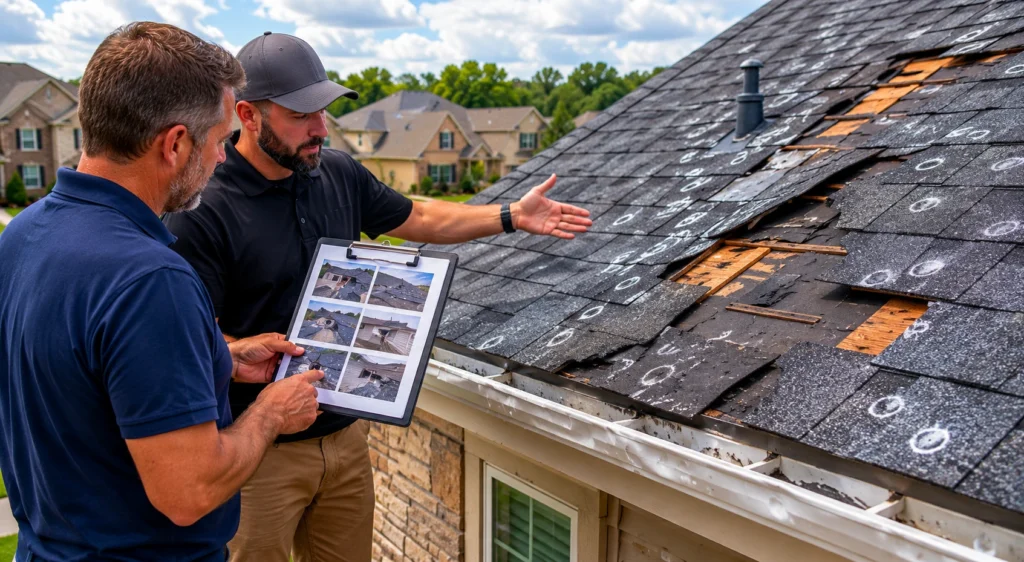
One of the biggest misconceptions in property insurance is that the initial estimate represents the full extent of covered damage. In reality, many first estimates are incomplete.
That does not automatically mean anyone acted improperly. Insurance adjusters often work under time constraints, inspect numerous properties after major storms, and may not have access to all information during the initial visit. However, omissions happen. And those omissions can be expensive.
Roofing Components Frequently Overlooked
Many initial estimates focus primarily on damaged shingles or visible roof surfaces. Yet a complete roof system includes numerous interconnected components.
Items commonly missed include:
- Ridge caps
- Hip caps
- Drip edge
- Starter strips
- Flashing
- Roof vents
- Pipe boots
- Underlayment
- Ice and water shield materials
- Ventilation systems
Replacing damaged shingles while ignoring compromised supporting components may create future problems and additional costs.
Code Upgrade Requirements
Building codes evolve over time. A roof installed fifteen years ago may not comply with current requirements. Many homeowners are surprised to learn that local building codes can significantly affect repair costs.
Examples include:
- Enhanced underlayment requirements
- Updated ventilation standards
- Fastener specifications
- Flashing requirements
- Energy code upgrades
Depending on the policy, ordinance and law coverage may help address these additional expenses.
Exterior Property Damage
Hail rarely damages only the roof.
Additional losses may involve:
- Gutters
- Downspouts
- Siding
- Window screens
- Garage doors
- Exterior paint finishes
- Fencing
- Outdoor structures
These items are sometimes omitted from initial scopes despite showing clear signs of impact damage.
Interior Damage
Roof damage often leads to interior consequences.
Commonly overlooked interior items include:
- Ceiling staining
- Drywall repairs
- Insulation replacement
- Trim work
- Paint matching
- Flooring damage
- Mold remediation
Interior repairs can represent a substantial portion of the overall claim value.
Matching Issues
Modern insurance claims frequently involve matching disputes. For example, suppose a portion of your roofing material is damaged, but identical replacement materials are no longer manufactured. Partial repairs may create a visibly mismatched appearance.
This issue affects:
- Roofing systems
- Siding
- Paint
- Flooring
- Tile installations
State regulations and policy language often determine how these situations are handled. Many policyholders first encounter the phrase Hail Damage Claim Supplements: What Carriers Miss in Their Scope when they discover important components were omitted from an initial estimate. Understanding this concept can significantly impact the final settlement.
Understanding the Supplement Process
The supplement process exists because initial inspections do not always reveal every damaged item. Think of supplements as claim corrections. They allow additional information to be submitted after the original estimate has been prepared.
What Is a Supplement?
A supplement is a request for additional claim funds based on:
- Hidden damage
- Pricing discrepancies
- Code requirements
- Material availability issues
- Scope omissions
Supplements are extremely common in hail claims. In fact, many successful claims include multiple supplemental submissions before final resolution.
Why Supplements Become Necessary
Several situations frequently trigger supplements.
Hidden Damage
Roof tear-offs often reveal issues not visible during initial inspections.
Examples include:
- Damaged decking
- Wet insulation
- Underlayment failures
- Structural deterioration
These conditions cannot always be identified beforehand.
Code Compliance Requirements
Local regulations sometimes require upgrades that were not included initially. Once documentation is submitted, carriers may adjust their estimates accordingly.
Material Availability Problems
Building materials change constantly.
Replacement products may:
- Be discontinued
- Require full-system replacement
- Have higher current costs
Updated documentation helps justify these adjustments.
The Supplement Process Step by Step
| Step | Action |
|---|---|
| Initial Review | Analyze carrier estimate |
| Damage Investigation | Identify omissions |
| Documentation Collection | Gather supporting evidence |
| Supplement Submission | Present additional scope |
| Carrier Review | Evaluate new information |
| Revised Payment | Issue approved funds |
The quality of documentation largely determines the success of supplement negotiations.
Why a Public Adjuster Changes the Outcome
Many homeowners enter the claims process believing everyone involved represents their interests. Unfortunately, that is not always the case. Each participant serves a different role. Understanding those roles is critical.
What Is a Public Adjuster?
A public adjuster is a licensed professional who represents policyholders rather than insurance companies.
Their responsibilities often include:
- Damage evaluation
- Documentation preparation
- Policy review
- Scope development
- Settlement negotiations
Their objective is simple.
Help ensure covered damage is fully identified and properly valued.
Public Adjuster vs Insurance Adjuster
This distinction creates confusion for many homeowners. The phrase Public Adjuster vs. Insurance Adjuster for Hail Claims in Richardson, TX is frequently searched because property owners want to understand who represents whom.
The differences are significant.
| Public Adjuster | Insurance Adjuster |
|---|---|
| Represents policyholder | Represents insurance carrier |
| Conducts independent evaluation | Reviews claim for carrier |
| Identifies additional damages | Evaluates reported damages |
| Negotiates on behalf of homeowner | Determines carrier position |
| Reviews policyholder interests | Reviews carrier obligations |
Both professionals play legitimate roles. The difference lies in who they represent.
How Public Adjusters Strengthen Claims
Experienced public adjusters often contribute value through several key areas.
Comprehensive Inspections
They conduct detailed evaluations that may identify:
- Additional roof damage
- Exterior losses
- Interior damage
- Code-related concerns
Documentation
Strong documentation frequently determines claim outcomes.
Public adjusters help organize:
- Photographs
- Estimates
- Reports
- Weather data
- Repair records
Policy Interpretation
Insurance policies contain detailed provisions that many homeowners find difficult to navigate.
A public adjuster helps identify:
- Available coverages
- Applicable endorsements
- Exclusions
- Additional benefits
Negotiation
Claim negotiations often involve:
- Scope disputes
- Pricing disagreements
- Supplement requests
- Coverage interpretations
Professional representation can help keep discussions focused on documented facts.
When Hiring a Public Adjuster Makes Sense
Not every claim requires professional representation.
However, assistance may be particularly valuable when:
- Damage is extensive
- Claims are delayed
- Settlements appear insufficient
- Coverage disputes arise
- Multiple structures are involved
- Commercial properties are affected
Many homeowners in Richardson choose professional assistance because hail claims often become more complicated than expected.
What to Do If Your Hail Claim Is Denied
Receiving a denial can feel overwhelming. But a denial is not always the end of the process. Many denied claims are later reconsidered when additional evidence becomes available. Homeowners researching What to Do If Your Hail Claim Was Denied in Richardson, TX often discover that several options remain available.
Review the Denial Letter Carefully
The denial letter typically explains:
- Coverage issues
- Documentation concerns
- Policy exclusions
- Investigation findings
Understanding the stated reason is the first step.
Gather Additional Evidence
New evidence may include:
- Contractor inspections
- Engineering reports
- Weather documentation
- Photographs
- Repair estimates
Strong evidence frequently changes the conversation.
Request Reconsideration
Some carriers offer internal review processes. Additional documentation may support a reevaluation.
Consider Professional Assistance
Complex denials often benefit from professional review. Public adjusters, engineers, and legal professionals may identify issues that were previously overlooked. The key is responding strategically rather than emotionally.
Roof Protection Strategies Before the Next Hailstorm
The best claim is the one you never have to file.
While no roof is immune to severe hail, proactive maintenance reduces risk.
Schedule Regular Roof Inspections
Annual inspections help identify:
- Aging materials
- Minor damage
- Drainage concerns
- Ventilation issues
Small repairs today can prevent larger losses tomorrow.
Maintain Gutters and Drainage Systems
Blocked drainage creates unnecessary stress on roofing systems.
Routine cleaning helps prevent:
- Water backup
- Overflow
- Premature deterioration
Address Minor Repairs Promptly
A small issue rarely stays small. Replacing damaged components quickly helps maintain overall roof integrity.
Consider Impact-Resistant Materials
Many modern roofing products are specifically engineered to improve hail resistance.
Options may include:
- Class 4 impact-resistant shingles
- Enhanced metal roofing systems
- Specialty composite products
While no material guarantees immunity, stronger systems often perform better during severe storms.
Keep Detailed Maintenance Records
Documentation is valuable before and after a claim.
Maintain records of:
- Inspections
- Repairs
- Replacements
- Maintenance activities
These records can help establish roof condition before a storm event.
Review Insurance Coverage Annually
Insurance needs change. Construction costs change. Property values change. Annual reviews help ensure coverage remains appropriate.
Final Thoughts
A successful roof hail damage insurance claim Texas homeowners can rely on begins long before a claim is filed. It starts with understanding your roof. It continues with regular inspections, proper maintenance, and careful documentation. When a hailstorm strikes, quick action matters. Thorough evidence matters. Professional evaluations matter.
Whether you’re dealing with a straightforward repair or a complex hail damage on roof insurance claim, being organized and informed dramatically improves your chances of a fair outcome. For property owners in Richardson, where severe hailstorms remain a recurring threat, preparation is one of the most valuable investments you can make.
Remember that initial estimates are not always complete. Supplements may be necessary. Additional documentation may reveal overlooked damage. And professional representation can sometimes make a meaningful difference. Most importantly, don’t ignore potential hail damage. The sooner problems are identified and documented, the easier it becomes to protect your roof, your property, and your financial future. If you’re facing a roof hail damage insurance claim Texas homeowners commonly encounter after severe weather, taking a proactive approach today can save significant time, stress, and expense tomorrow.
FAQs
Common signs include bruised shingles, granule loss, dents on metal components, cracked tiles, and damaged gutters. A professional inspection can confirm the extent of damage.
The deadline depends on your insurance policy, but it’s best to report damage as soon as possible after the storm to avoid complications.
Coverage depends on the severity of the damage, policy terms, and whether repairs can restore the roof to its pre-loss condition.
Prioritize safety, document visible damage, prevent further property damage, and schedule a professional roof inspection.
Yes. Hail impacts can weaken roofing materials, allowing moisture intrusion that may not become visible until much later.
A supplement is a request for additional claim funds when hidden damage, code upgrades, or omitted repairs are discovered after the initial estimate.
Adjusters may not see hidden issues during the first inspection, and some roofing components require closer evaluation after repairs begin.
A public adjuster can be beneficial for large, complex, underpaid, or disputed claims by helping document and negotiate covered damages.
You can review the denial, gather additional evidence, request reconsideration, and seek professional assistance if necessary.
In many cases they are, provided the damage is covered by your policy and properly documented during the claims process.